

12 Days
Daily Tour
10 people
___
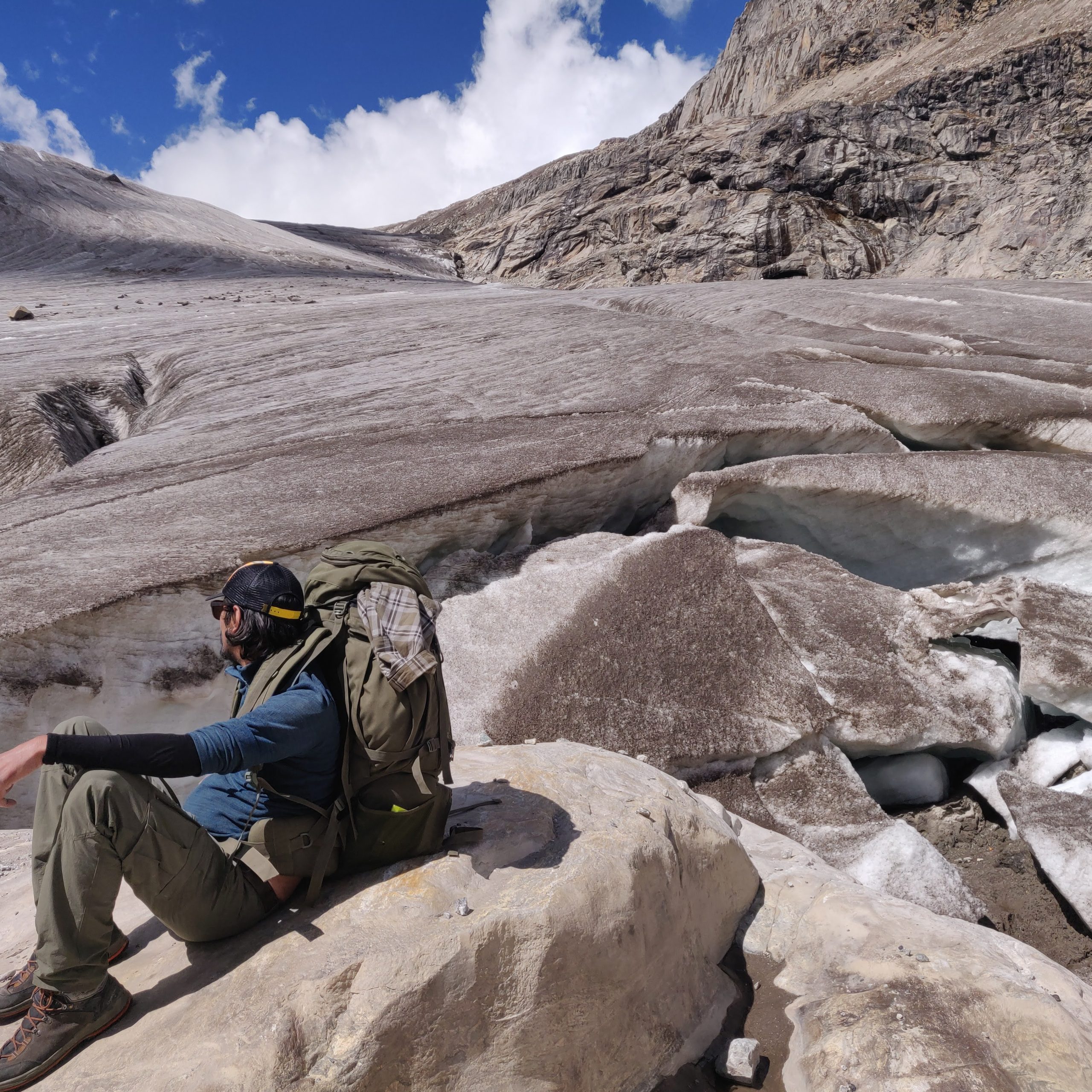
The Panpatia Col Trek is one of the most raw, committing, and elite glacier traverses in the Indian Himalaya—linking the sacred valleys of Badrinath and Kedarnath through a brutal high-altitude passage. This is not a trek; it’s a full-scale alpine mission across vast crevasse fields, broken glaciers, steep ice sections, and exposed ridgelines. Designed for experienced trekkers and mountaineers, the route pushes through remote, untouched terrain where rescue is limited and self-reliance is everything.
The expedition begins in the high Garhwal Himalaya, gradually transitioning from rugged alpine meadows into hostile glacial zones. As the route climbs higher, the terrain becomes increasingly technical—requiring rope work, crampon techniques, and strong acclimatization. The crossing of Panpatia Col itself is the defining moment: a high, wind-scoured pass surrounded by towering giants like Satopanth, Nilkanth, and the Bhagirathi group. Every step demands focus, endurance, and mental strength.
Himalaya Alpine executes this expedition with a precision-driven approach—certified guides, advanced safety protocols, and expedition-grade logistics. Small team sizes ensure better movement across technical terrain and a more personalized experience. This is for those who don’t follow trails—they carve their own line across the Himalaya.
Highest Altitude 5250m
Total Distance 85 Km
On the first say you will be transferred from Haridwar to Joshimath through the confluence points namely, Devprayag, Rudrapryag, Karanpryag. On arrival, you will check in into hotel room and take rest after dinner after a long road journey.
Today you will reach Khirao by car in an hour, and the trek some 30 minutes to reach our base camp for the trek.
Today the real trek begins as you will trek for 9 km upwards following the Khirowi Ganga to reach Odaar campsite. The trail is quite steep uphill and will take 6-7 hours to complete. Upon reaching you will be accommodated in Tents.
Today you will hike on a rocky terrain which is initially flat and then gains height. The gradual climb will give you enough time to become accustomed to the terrain. Then trail will be through the valleys and finally you will reach Snouts Camp after covering a distance of 5 km in 4-5 hours where you will stay overnight in tents.
Since you have gained weight a lot of height in last three days today you will rest in order to acclimatize your body so that you can proceed farther without falling sick. Today you will only go for a walk towards Mt. Neelkanth camp 1 and then come back to Snout Camp and take adequate rest.
From today your trek will get harder and this day will prepare you for the hardship which waiting for you in the coming days. Today you will be hiking on a trail that rises steeply. You need to be careful as the trail is surrounded by moraines. This is why your campsite is named Moraine. Once you reach there you will need to take rest in a tent to reenergize your body.
From moraine camp you will set off on a trail to reach Parvati Gully Base. It will be another steep climb covering a distance of 6 km in 5-6 hours and once you reach the base you will be very close to the Panpatia Col. Upon reaching you will be resting in the tent and have a good sleep after dinner
Today you will be trekking on a 5 km long trail that climbs steeply again and lead you to the edge of the terrain. From there you will climb on a steep and narrow gully covered with snow and rock to reach Panpatia snowfield campsite. Apart from the abundance of snow the campsite offers glorious up close view of the mighty Chaukhambha and if the weather permits you will get a different angle view of Nanda Devi. Tonight you will sleep in a vast snowfield and if you can endure the cold you can come out and have a spectacular view of star-studded sky at night.
Today is the biggest and the toughest day of the expedition. You will traverse through the snow plateau and will set your foot on the Panpatia Col after a steep uphill climb. After exploring Col and the Himalayan ranges you will descend down to Sujal Sarovar which will be your campsite for the night. Sujal Sarovar is on the Madhyamaheshwar side, located beside a small lake. Upon arrival, you will take much-needed rest in the tents after a strenuous day.
Today you will initially climb high to reach a small pass above Sujal Sarovar is a small pass. From there the trail goes steeply downwards through snowy slopes and boulder zones. After crossing the boulder zone you will descend sharply to oak forests and then onto alpine meadows full of flowers all the way to Kachni khal. Upon reaching you will be resting in the tent after a long and tiring descend
Today from Kachni Khal you will trek for about 3-4 hours to get to Madhmaheshwar temple where you will hike down on a paved trail all the way to down to Ransi. The day is long but the trail will be lot easier. Due to the long distance you will reach Ransi village late in the evening and then stay in a homestay or lodge overnight.
On the final day of your Panpatia Col expedition you will be transported back to Haridwar from Ransi village. You will reach Haridwar in the evening after. covering a long distance of 220 km in 7-8 hours.
This is a high-altitude, technical glacier expedition designed for experienced trekkers and mountaineers. You should be comfortable with long expedition days, harsh weather, and basic alpine techniques like using crampons and ropes.
It is considered one of the toughest trekking trek in India. The route involves crevasse crossings, steep glacier climbs, moraine navigation, and extreme altitude exposure above 5,000 meters
The expedition crosses Panpatia Col at approximately 5,200+ meters, where altitude sickness risk is high and proper acclimatization is critical.
Accommodation is in high-quality expedition tents throughout the journey. Expect remote camping in extreme environments—this is a true wilderness experience.
Himalaya Alpine operates with:
Yes. Due to extreme altitude, Acute Mountain Sickness (AMS) is a real risk. Our itinerary includes proper acclimatization, but participants must be aware of symptoms and be honest about their condition.
The ideal windows are:
Extremely remote. There are no easy evacuation points, no network coverage, and minimal human presence. This is a true expedition environment.

Member Since 2026




Leave a review